

laminated glass balustrade
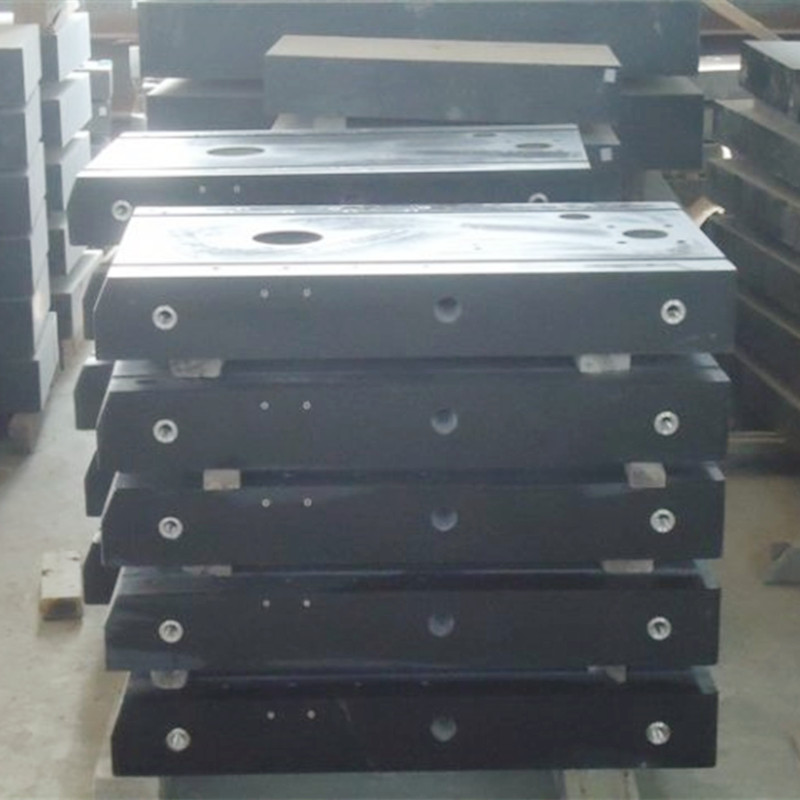
Understanding Granite Reference Plates A Foundation for Precision Granite reference plates, also known as granite surface plates, are fundamental tools in the realm of precision engineering and metrology. These plates serve as a stable, flat surface against which various measurements and machining processes can be conducted. Their significance can be attributed to the balance of stability, durability, and resistance to wear. In this article, we will explore the characteristics, applications, and advantages of granite reference plates. Characteristics of Granite Reference Plates Granite is preferred for reference plates for several reasons. Firstly, granite is an incredibly hard material, which makes it resistant to scratches and wear over time. This hardness ensures that the surface of the plate remains flat and retains its calibration. A flat surface is critical for accuracy in measurement, as even minor deviations can lead to significant errors in engineering applications. Moreover, granite has excellent dimensional stability. It is less susceptible to environmental changes, such as humidity and temperature fluctuations, compared to other materials. This stability is crucial in precision work where even slight warping can affect the results. Granite reference plates are often available in various grades, which indicate their flatness tolerance and overall quality. These are typically categorized into Grade AA, A, and B, with Grade AA being the most precise. The choice of grade depends on the specific application and required accuracy. Applications of Granite Reference Plates Granite reference plates find extensive use in various industries, primarily in quality control and inspection processes. Manufacturing sectors, such as automotive and aerospace, rely on precise measurements for components to ensure safety and performance standards are met. These plates are used with various measuring instruments, such as height gauges, dial indicators, and coordinate measuring machines (CMM). granite reference plate In addition to measurement, granite reference plates are also used as assembly platforms during the machining processes. Their flatness provides a reliable surface for assembling parts, ensuring that components fit together as intended, thus enhancing the overall quality of the finished product. Furthermore, granite plates are invaluable in the optical industry . They are commonly used as reference surfaces for aligning optical components in devices such as lasers and microscopes, where precision is essential for functionality. Advantages of Granite Reference Plates One of the primary advantages of using granite reference plates is their longevity. With proper care, these plates can last a lifetime, making them a worthy investment for businesses that prioritize quality and precision. Their durability reduces the need for frequent replacements, contributing to lower operational costs in the long run. Another advantage is their ease of maintenance. Unlike metal surfaces, granite does not rust, and cleaning it is a straightforward process that typically involves routine dusting and occasional polishing. This ease of cleaning helps to maintain the plate's flatness and ensures consistent measurement accuracy. Moreover, the non-porous nature of granite means that it does not absorb liquids, which prevents contamination and damage often associated with spills from oils or coolants used in machining processes. Conclusion In conclusion, granite reference plates are an essential component in the field of precision engineering. Their unique properties—hardness, dimensional stability, and resistance to wear—make them ideal for applications that demand meticulous accuracy. As industries continue to pursue higher standards of quality, the role of granite reference plates becomes even more significant. Investing in such tools not only safeguards the integrity of measurements but also enhances the overall manufacturing process, proving that precision truly begins with a solid foundation.
about
laminated glass balustrade
Venttiilityyppien ja niiden sovellusten tarkastelu Ohjausventtiilit ovat keskeisiä komponentteja monilla teollisuudenaloilla, joissa nesteiden ja kaasujen virtausta on säädettävä tarkasti. Venttiilien eri tyypit palvelevat erilaisia tarkoituksia, ja niiden käyttö perustuu prosessin vaatimuksiin. Tässä artikkelissa tarkastellaan yleisimpiä venttiilityyppejä ja niiden sovelluksia. Venttiilityyppien ja niiden sovellusten tarkastelu Toinen merkittävä venttiilityyppi on läpivientiventtiili. Tämä venttiilityyppi mahdollistaa nesteen tai kaasun jatkuvan virtauksen säätämisen. Läpivientiventtiileitä käytetään usein kemianteollisuudessa, missä tarkka virtaussäätö on elintärkeää. Ne voivat olla joko manuaalisia tai automaattisia, ja niiden avulla voidaan hallita prosessien tehokkuutta ja turvallisuutta. types of control valves and their applications Samoin läppäventtiilit ovat suosittuja ja niitä käytetään erityisesti höyry- ja kaasusovelluksissa. Läppäventtiili toimii niin, että venttiilin keskellä on liikkuva läppä, joka avaa tai sulkee virtakanavan. Ne soveltuvat hyvin sovelluksiin, joissa tarvitaan suurta virtauskapasiteettia, kuten voimalaitoksissa ja putkistoissa. Käyttöpaetta voidaan myös mainita säädettävät venttiilit. Ne mahdollistavat virtaustason hienosäädön automaattisesti sen mukaan, mitä prosessi vaatii. Tällaiset venttiilit ovat olennaisia osia HVAC-järjestelmissä, joissa ne auttavat optimoimaan energiankulutusta ja ylläpitämään haluttua lämpötilaa. Lopuksi, sähköventtiilit ovat yleistyneet automaatiojärjestelmien myötä. Ne toimivat sähköisellä signaalilla ja tarjoavat tarkan ja nopean ohjauksen prosessitiloissa. Sähköventtiileitä käytetään laajasti teollisuuden prosessinhallinnassa, jossa tarvitaan nopeaa ja tarkkaa reagointia. Yhteenvetona voidaan todeta, että venttiilityypit vaihtelevat suuresti käytön, rakenteen ja asetusten mukaan. Oikeanlaisten venttiilien valinta on ratkaisevan tärkeää prosessien tehokkuuden, turvallisuuden ja taloudellisuuden kannalta. Olipa kyseessä palloventtiili, läpivientiventtiili, läppäventtiili tai sähköventtiili, jokaisella on oma paikka ja rooli nykyaikaisessa teollisuudessa. Venttiilit eivät ainoastaan helpota prosessien hallintaa, vaan myös parantavat koko toimintaketjun luotettavuutta ja tehokkuutta.
-

High quality industrial productsagement

High quality industrial products
View Details -

Meet the diverse needs of customers

Meet the diverse needs of customers
View Details -

Strict quality control

Strict quality control
View Details -

Top raw materials

Top raw materials
View Details -

Trusted supplier

Trusted supplier
View Details
Our application

news and information
valve china
Valve Corporation, a name synonymous with gaming excellence and innovation, has strategically establ
V Frames - Innovative Video Frame Solutions for Your Visual Needs
Understanding V-Frames in Video Production In the world of video production, the term V-frames refer
workbench welding table
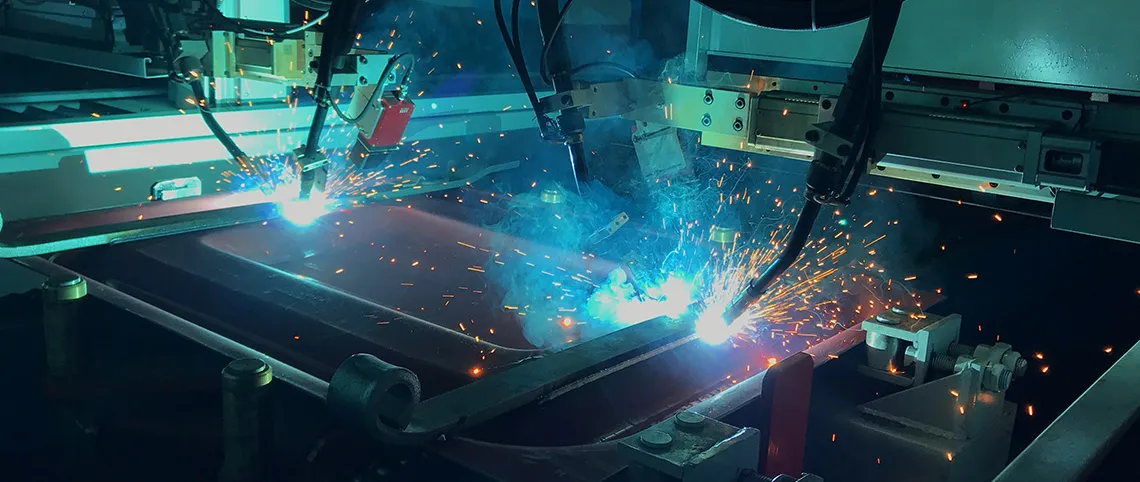
The Importance of Workbench Welding Tables A workbench welding table is an essential piece of equipm
 English